What we doHumanitarian & Remote Operations
Where the map gets vague.
Aircraft, crews and support for places with short strips, long distances and little else.
The short version
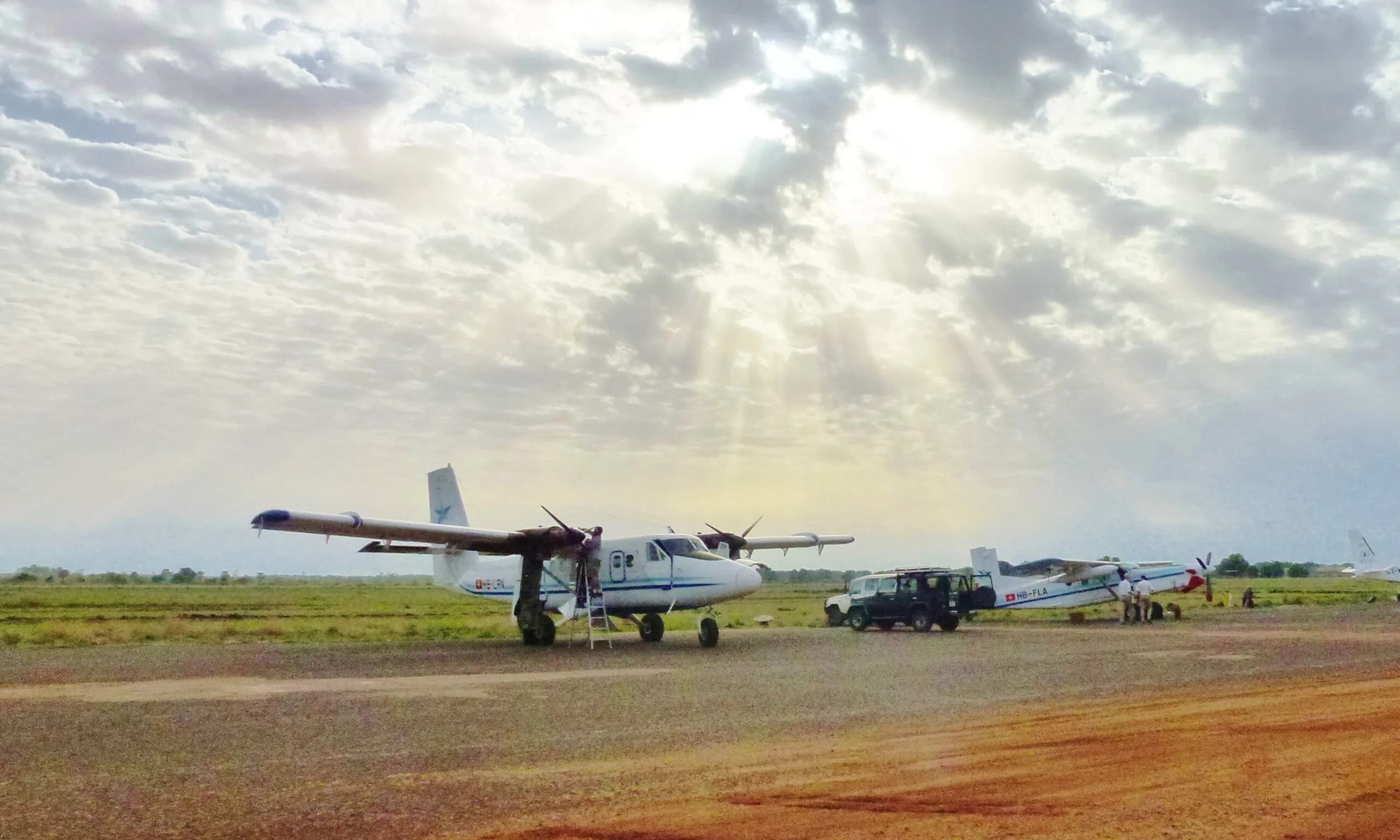
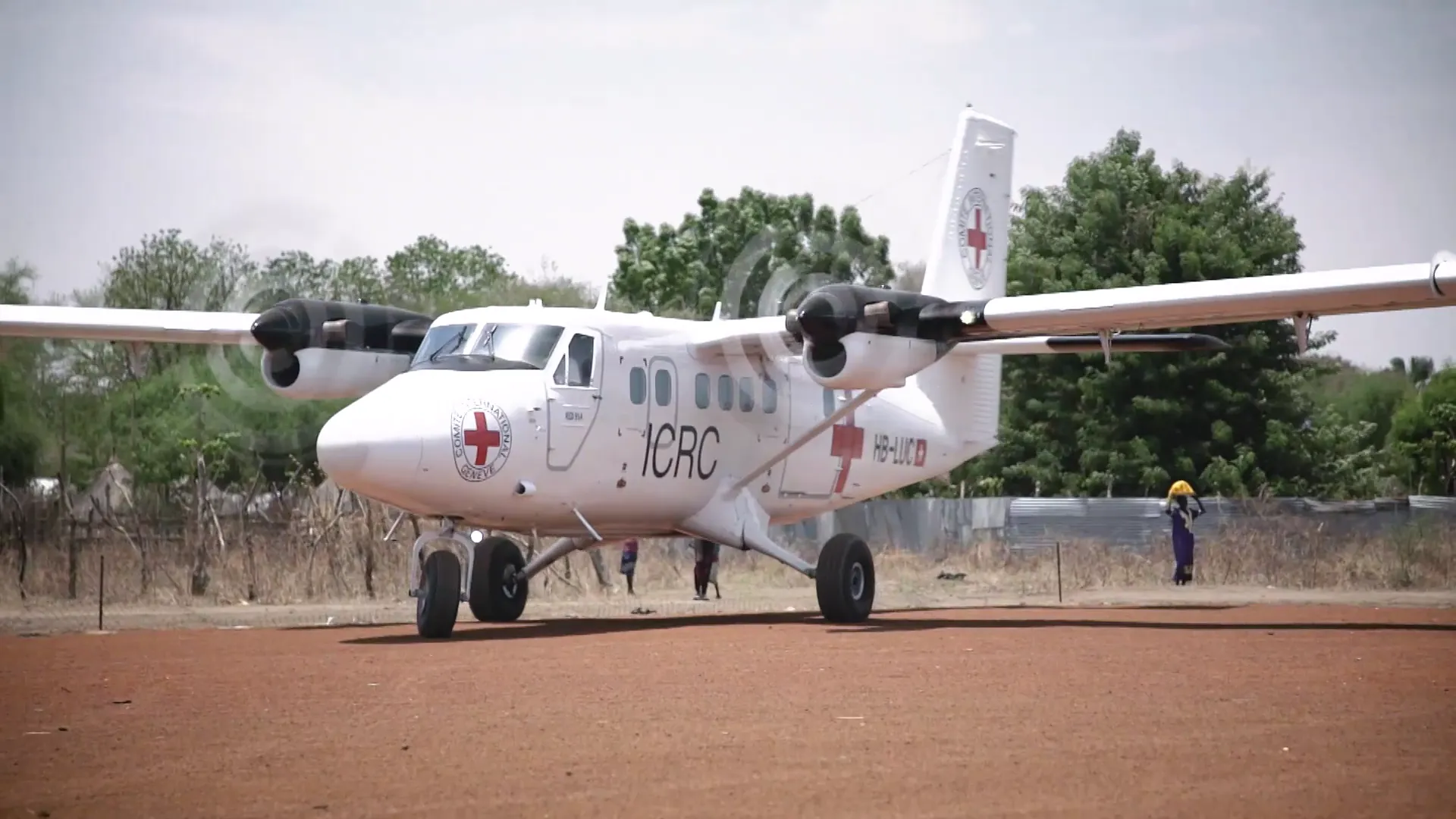
We deploy Twin Otters, with the pilots, engineers, spares and operations control to run them, wherever UN agencies, the Red Cross, NGOs, governments and resource companies need to move people and supplies. We set it up, we run it, and it keeps running.
Key facts
- Gravel, sand, grass, water or snow. The Twin Otter doesn't mind.
- Unpaved
- Per Twin Otter, or anything in between.
- 19 seats or 2'000 kg
- Every flight followed from our operations centre in Glattbrugg.
- 24/7
- What we've done since our first landing between two sand dunes.
- Since 1969
Where you'll find us
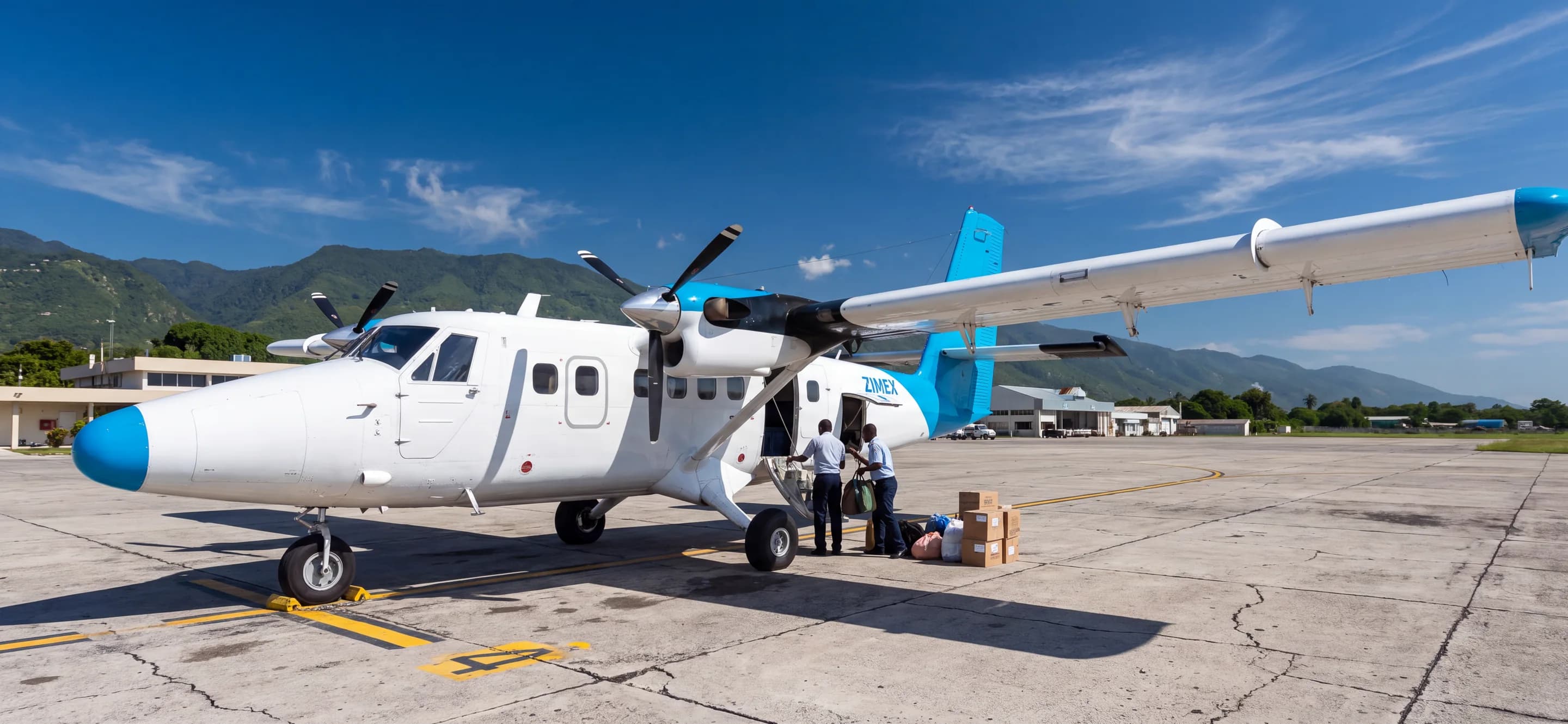
South Sudan. The Democratic Republic of the Congo. Burkina Faso. Haiti. Suriname. The Algerian Sahara, where we've supported oil-field operations for decades. Saudi Arabia and Qatar.
How it works
What comes with the aircraft
Aircraft, configured for the job: passengers, cargo, medical evacuation, or a mix.
Crews who've landed on unimproved strips many times before. They watch for stones, potholes, soft ground after rain, and whatever else is using the runway that day.
Engineers and spare parts based with the aircraft, backed by our hangar in Switzerland.
Operations control, 24 hours a day, from Glattbrugg.
Paperwork: permits, approvals, security planning and client reporting.
Capabilities
What the aircraft do
- Passenger and staff transport
- Cargo and relief supplies
- Medical evacuation
- Search and rescue
- Survey and mapping
- Surveillance
Who we fly for
- Governments
- Peacekeeping and military
- UN agencies
- Red Cross and NGOs
- Oil and gas
- Mining
- Exploration
Questions
Which aircraft do you use for remote operations?
The DHC-6 Twin Otter. It carries 19 passengers or 2'000 kg, or anything in between, and it lands on gravel, sand, grass, water or snow.
What do we get besides the aircraft?
Crews, engineers and spare parts based with the aircraft, operations control from Glattbrugg 24 hours a day, and the paperwork: permits, approvals, security planning and client reporting.
Can the aircraft fly medical evacuations?
Yes. Each aircraft is configured for the job: passengers, cargo, medical evacuation, or a mix.
Who follows the flights?
Our operations centre in Glattbrugg, near Zurich. It follows every flight, 24 hours a day.
What happens when an aircraft needs maintenance in the field?
Engineers and spare parts are based with the aircraft, and our hangar at St. Gallen–Altenrhein backs them up. When the aircraft can't come to Altenrhein, the engineers go to the aircraft.
What we do
Eight ways to say yes.
- Special MissionsSurveillance, survey and other unusual jobs, with aircraft modified in-house.
- Wet LeaseOur aircraft, our crew, your flight number.
- Express CargoATR freighters that fly while the network sleeps.
- Passenger Charter48 seats, based in Basel, going where you need.
- MaintenanceWe fix what we fly. And what you fly.
- TrainingType ratings taught by people who were flying last week.
- Aircraft & PartsTwin Otters and parts, bought, sold and kept flying.